


Why Real-Time Analysis Matters to Individual Traders
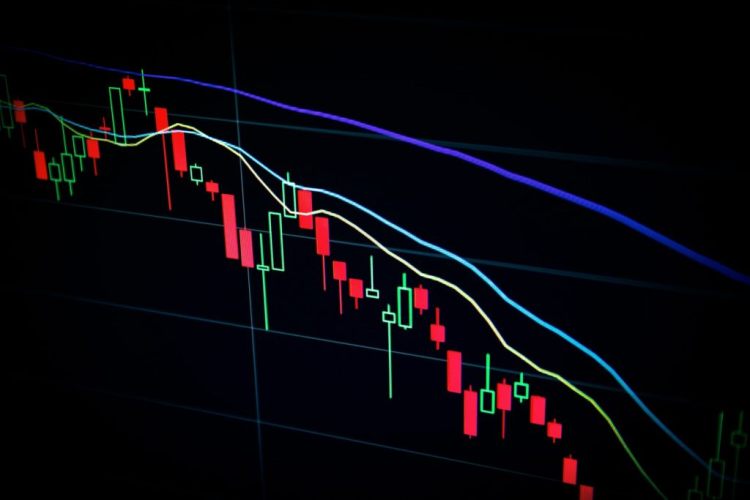
Retail traders rarely lack information; they more often lack a way to sort it at the right moment. Market commentary, charts, headlines, and notifications can arrive faster than any one person can assess them. Real-time analysis is intended to make that information flow more usable. It continually evaluates current market conditions so that a trader is not relying only on a report written hours earlier or on a chart checked once in the morning. The goal is timely context, not certainty about the future.
For users in France exploring this type of technology, French Legacy brings together AI-driven market analysis, ongoing tracking, and alerts within one platform. It is designed to identify possible opportunities across multiple asset classes and can support automated strategies for different trader profiles. That breadth matters because an individual may follow more than one market while still wanting a single place to review activity. A consolidated view can reduce the friction of moving between disconnected sources and help keep attention on predefined criteria.
Consider a trader who has planned to investigate a market only if it becomes unusually active. Manual checking may catch the move late, or not at all. A real-time system can instead watch the defined condition continuously and send an alert when it appears. The trader then has a chance to inspect the setup using current information. This is not an argument for reacting to every message. It is an argument for receiving a cue while the question is still relevant rather than after the market has already changed again.
A sensible routine includes a pause between notification and action. Check the broader context, confirm that the alert matches the intended approach, and consider the potential downside before making a decision. AI can make data processing faster, but it cannot remove market risk or determine what level of risk is appropriate for a particular person. Clear tools, understandable settings, and transparent platform practices are therefore just as important as speed. They allow technology to support a decision process instead of overwhelming it.
In that sense, real-time analytics offer an edge in organization rather than a shortcut to outcomes. They can give smaller market participants a more regular way to notice change, preserve time for analysis, and act according to a plan rather than according to the loudest item on a feed. Current analysis works best when it is joined to a calendar and a plan. Before an important period, users can define which changes would matter and which ordinary movements should simply be observed. That preparation makes a real-time prompt easier to interpret because it arrives in relation to a decision framework, not in an informational vacuum. The central question is whether the information improves the next decision. If it does not, the criteria can be adjusted; if it does, the user has a reason to continue building a careful, documented process.
Hello!! My name is Jeanine
I love to eat, travel, and eat some more! I am married to the man of my dreams and have a beautiful little girl whose smiles can brighten anyone’s day!